
Mild hearing loss is more common than most people realize. According to hearing-health studies, even a slight reduction in hearing can affect communication, productivity, confidence, and overall quality of life. But one of the most frequently asked questions is:
“Do I need a hearing aid for mild hearing loss?”
The short answer: Not always — but in many cases, a hearing aid can significantly improve daily life, reduce listening strain, and prevent long-term hearing decline.
This article explains everything you need to know so you can make an informed decision.
What Is Considered Mild Hearing Loss?
Mild hearing loss typically means you have difficulty hearing soft sounds between 25–40 decibels (dB).
You may hear speech, but understanding it clearly becomes challenging, especially in noisy environments.
Common signs include:
- Asking people to repeat themselves
- Feeling tired after conversations (listening fatigue)
- Struggling to hear in restaurants, malls, or crowded places
- Turning up the TV volume
- Missing soft sounds like whispers, doorbell rings, or phone notifications
- Difficulty hearing women’s or children’s voices
If you experience 2–3 of these signs regularly, you may have mild hearing loss.
Do You Need a Hearing Aid for Mild Hearing Loss?
You may not NEED a hearing aid medically, but you can benefit from one depending on your lifestyle, job, and listening needs.
When a Hearing Aid Is Recommended
You should consider a hearing aid if:
- You struggle to follow conversations
- You work in social or communication-heavy environments
- You experience listening fatigue or headaches
- You feel embarrassed asking people to repeat
- You want clearer speech understanding
- You want to prevent further hearing deterioration
Studies show that wearing hearing aids early can prevent auditory deprivation, a condition where the brain loses its ability to interpret sound over time.
When You May Not Need a Hearing Aid (Yet)
You might not need one immediately if:
- Your hearing loss does not affect your daily communication
- You rarely engage in noisy social environments
- Your work doesn’t require strong listening skills
- Your audiologist recommends monitoring rather than treating
However, annual hearing checkups are important to track changes.
Benefits of Using a Hearing Aid for Mild Hearing Loss
Even with mild hearing loss, hearing aids can provide significant advantages.
✔ Better clarity in conversations
Words become clearer, especially consonants like t, k, s, and f.
✔ Reduced strain and fatigue
You won’t feel mentally exhausted from trying to “focus harder” to hear.
✔ Improved confidence
You’ll be more comfortable in social and professional settings.
✔ Protection against further decline
Early amplification keeps your auditory pathways active.
✔ Better brain health
Untreated hearing loss is linked to memory decline and cognitive overload.
Are Hearing Aids Noticeable?
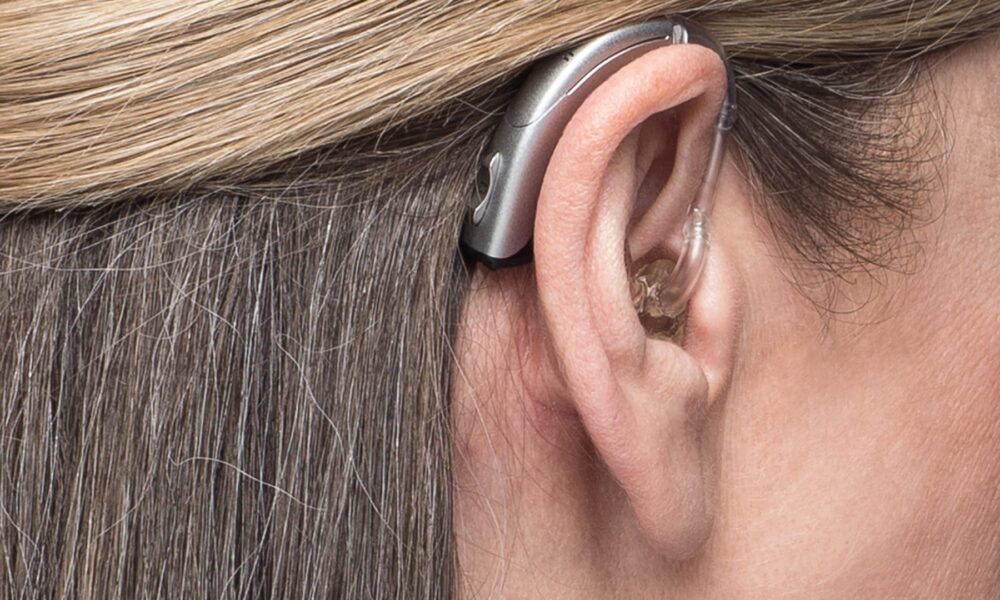
Modern hearing aids are tiny, lightweight, and nearly invisible.
Styles include:
- RIC (Receiver-in-Canal) – very discreet behind the ear
- CIC (Completely-in-Canal) – almost invisible
- ITC (In-the-Canal) – small and comfortable
No one will notice unless you show them.
Is It OK to Delay Getting a Hearing Aid?
Delaying treatment for mild hearing loss can cause:
- Difficulty adapting to hearing aids later
- Increased brain strain
- Social withdrawal
- Faster hearing decline
The earlier you start, the better your long-term hearing health.
What Happens If Mild Hearing Loss Goes Untreated?
Untreated mild hearing loss may lead to:
- Miscommunication and frustration
- Anxiety or social isolation
- Lower job performance
- Memory decline (due to cognitive load)
- Increased risk of moderate/severe hearing loss later
Your brain depends on sound stimulation — without it, it slowly weakens its ability to process sound.
Do Over-the-Counter (OTC) Hearing Aids Help?
OTC hearing aids can help some people, but:
- They are not customized to your hearing
- They may amplify sounds incorrectly
- They do not replace a professional hearing test
If your mild hearing loss affects life, a professionally fitted hearing aid is the best solution.
How to Know If You Really Need a Hearing Aid
You can determine this by evaluating:
1. Hearing Test Results (Audiogram)
Shows the exact level of hearing loss.
2. Communication Needs
If communication is important for your work or lifestyle, amplification is beneficial.
3. Personal Frustration Level
If hearing problems annoy you or others, it’s time to consider a solution.
4. Professional Advice
An audiologist can determine the best option.
FAQs About Mild Hearing Loss & Hearing Aids
1. Is mild hearing loss permanent?
In most cases, yes — especially age-related or noise-induced.
2. Will my hearing get worse if I don’t use a hearing aid?
Yes, untreated hearing loss can worsen faster due to reduced brain stimulation.
3. How much do hearing aids cost?
Depending on features, $700–$6,000 per pair.
4. Can mild hearing loss return to normal?
Only if caused by temporary conditions like wax buildup or infection.
5. How often should I get my hearing checked?
At least once per year, or sooner if you notice changes.
Conclusion: Do You Need a Hearing Aid for Mild Hearing Loss?
If your mild hearing loss is affecting communication, relationships, or daily comfort, a hearing aid can significantly improve your quality of life. Early treatment protects your brain, reduces fatigue, and keeps your hearing stable over time.
But if your mild hearing loss is minimal and not impacting your life, you may simply need regular monitoring.
Either way, the best next step is to get a full hearing evaluation and discuss your lifestyle needs with a hearing professional.